
Personalized teaching with certificate relevance


HTL Rennweg is one of the most modern and innovative technical schools in Vienna - known for its excellent education in information technology and mechatronics. With state-of-the-art equipment, dedicated teaching staff and numerous awards, it prepares its students optimally for the professional world and further studies. Practical projects and successful participation in competitions make teaching lively and future-oriented.
Location
Vienna, Austria
Students
700+
Teachers
100+
HTL Rennweg offers its students attractive training programs. As part of its participation in an Erasmus+ EU project under the leadership of SkillDisplay, the information technology branch of education worked specifically on visualizing the market relevance of training with regard to certificates and making students' strengths visible.
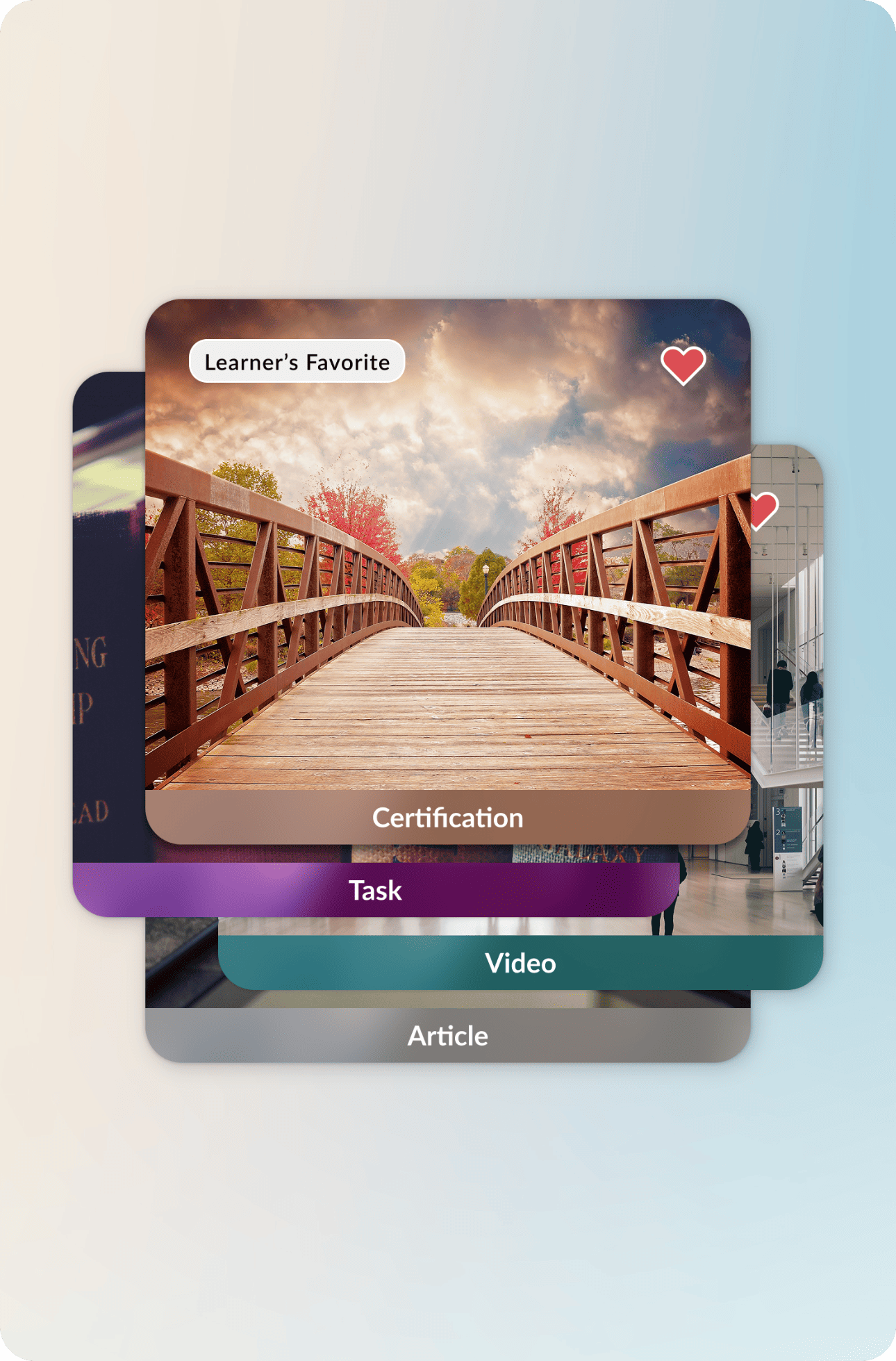
As a first sub-area, in cooperation with representatives of the TYPO3 content management system, certificates were broken down into talent trees of linked skills with clear learning objectives and relevant sub-areas were brought into line with the state-prescribed curriculum.
The structure thus created by using the SkillDisplay methodology is not only in line with the EU's declared objectives for micro-credentials (https://eur-lex.europa.eu/legal-content/DE/TXT/PDF/?uri=CELEX:32022H0627(02)), but also addresses one of the key issues with regard to micro-credentials in terms of defining the extent of a micro-credential by a market-relevant certification body (in this case TYPO3) through the skill definition. (cf.: “Of course, for the purposes of interoperability, it is better if folks could agree on what credentials look like within a given community” - https://techcommunity.microsoft.com/blog/microsoft-security-blog/decentralized-identity-verifiable-credentials-deep-dive/3690641)
State curricula are generally defined for a variety of schools with different focuses and requirements. While these therefore focus on the larger educational goal, they remain vague with regard to the technologies and teaching materials used in order to allow schools maximum flexibility.
An excerpt in the area of content management systems reads as follows:
Web development
- Install, configure and administer enterprise content management systems or backend systems.
(Curriculum of the Higher Institute for Information Technology, Federal Law Gazette II - issued on January 2, 2023 - No. 2)
Sifting through relevant competencies from certificates to meet this definition is usually a very tedious and laborious task for teachers. In the case of TYPO3 CMS, the TYPO3 CMS Certified Editor and the TYPO3 CMS Certified Integrator were the most likely candidates for teaching. However, the complete teaching of all certificate content would have been too extensive for the curriculum definition and would have taken too much time.
By using SkillDisplay, teachers at HTL Rennweg were able to:
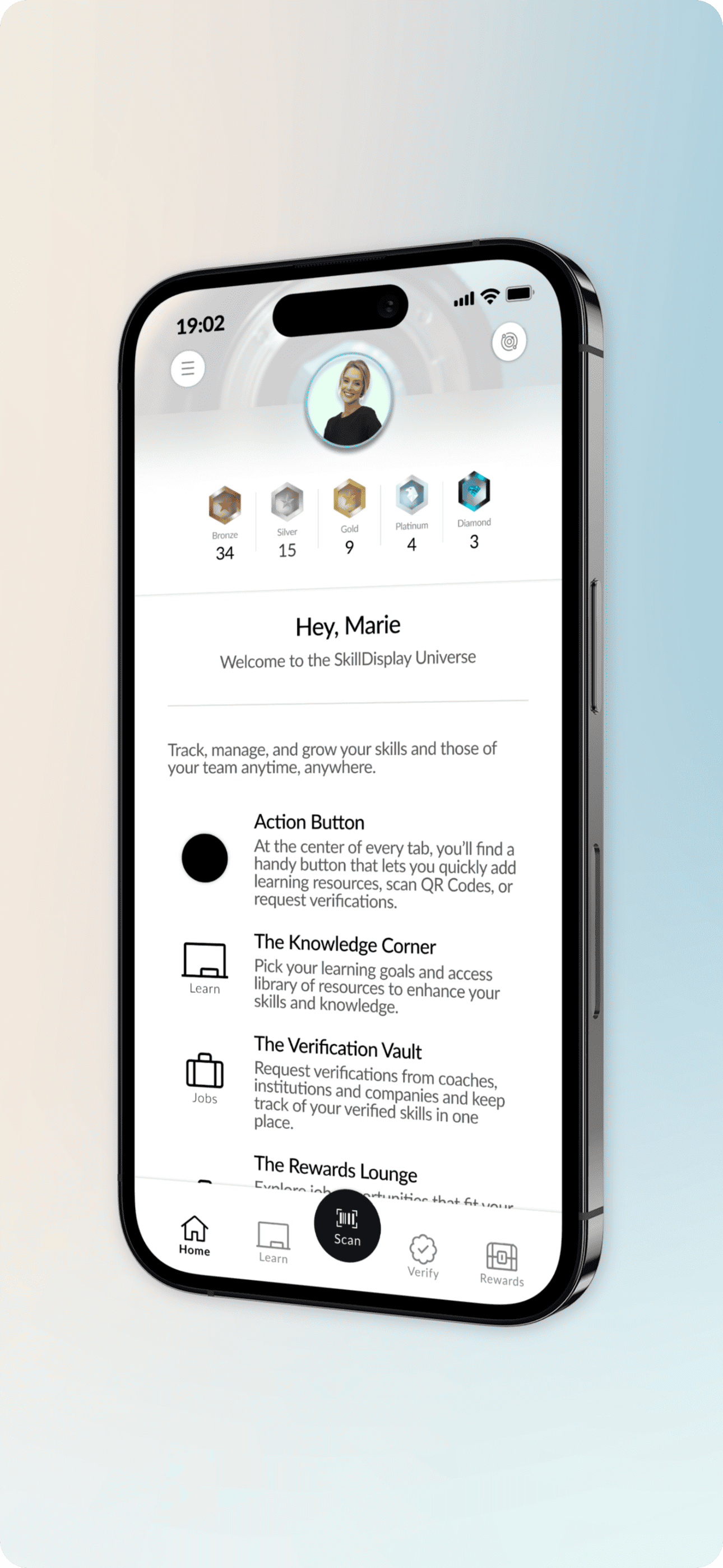
Traditional forms of teaching and assessment systems often reach their limits in terms of individualised support, differentiated performance and the relevance of school content to the realities of learners' lives. The consideration of different learning requirements and the promotion of motivation and personal responsibility in the learning process are suitable objectives here.
As part of this educational concept, a modular learning system was implemented that allows pupils to design their learning path flexibly and individually. The structure distinguishes between so-called CORE and ADVANCED tasks: CORE modules define the basic learning objective and are considered proof of achievement of the required competencies upon successful completion. The ADVANCED modules also offer the opportunity to improve grades, whereby the selection of these tasks is based on personal interests. This creates incentives for in-depth study of specific subject areas and promotes individual focus in the learning process.
A key feature of the system is the expansion of traditional performance assessment: the combination of standardized learning objectives (CORE) and individualized in-depth assessments (ADVANCED) creates the basis for a more differentiated presentation of performance in the certificate. In addition, much of the system's content is relevant to certificates, which gives students additional recognized qualifications that can have an impact beyond the school setting.
A special didactic feature of the system is the formulation of the exercises as user stories, as they are known from agile project work. This not only strengthens self-organization, but also promotes an understanding of iterative learning processes and solution-oriented work - key skills for an increasingly dynamic and networked future. Agile principles thus find their way into everyday school life and enable practical, motivating learning.
Certificate-based skills are not available in all subject areas, and certificates do not always cover every skill to be taught. An individual formulation of competence criteria will therefore be necessary sooner or later in most cases with more extensive curricula.
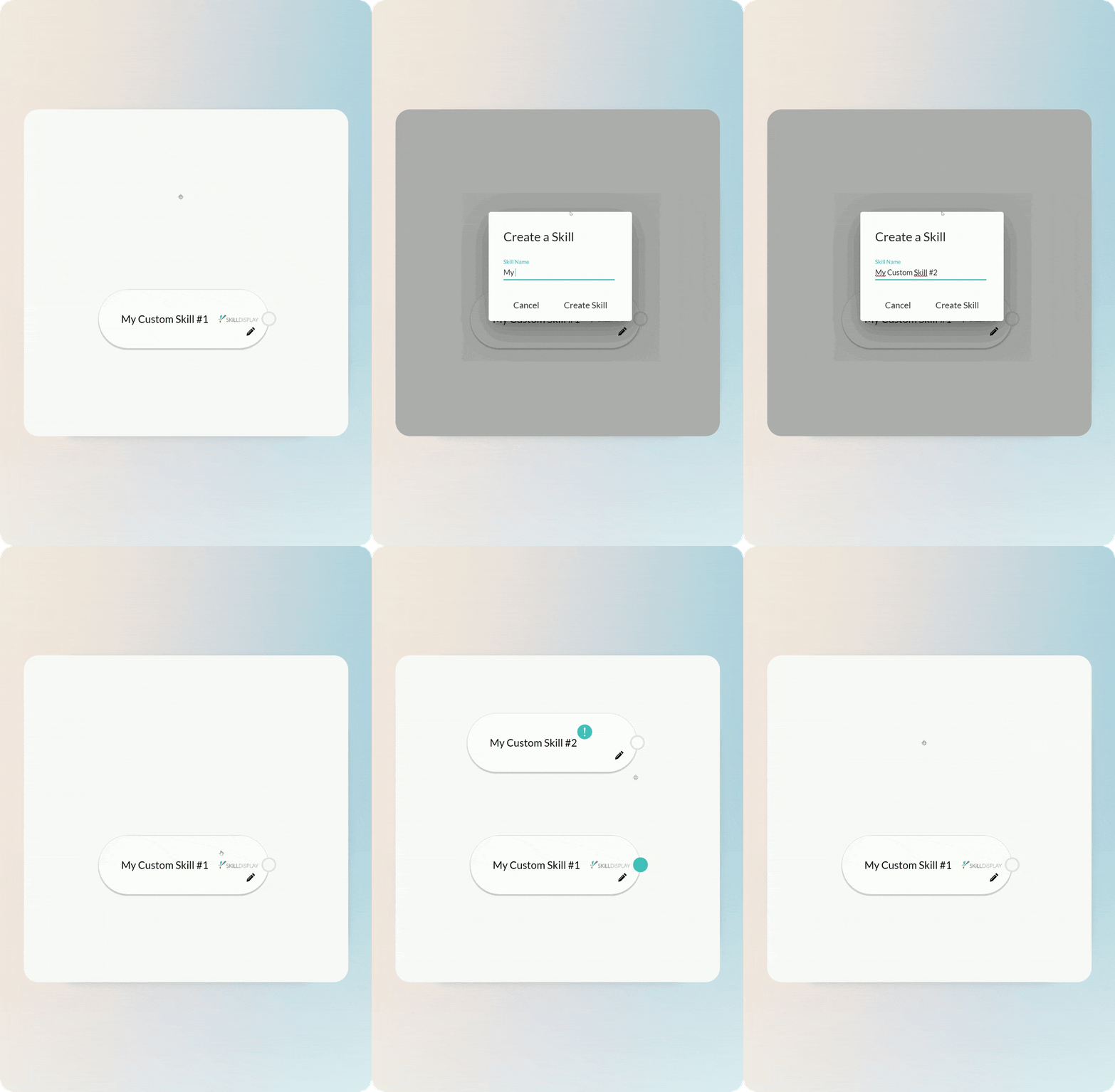
In such cases, teachers at HTL Rennweg have taken the opportunity to define their own skills directly in SkillDisplay. These individual skills entries are based on the requirements of the curriculum and specific lesson content and enable targeted skills documentation - even outside of formalized certificates.
A key advantage of this approach is the transparency across departments: departments can see at any time which skills have already been taught in other subjects, what prior knowledge students bring with them when they transfer to their own lessons and where there may still be gaps that need to be filled. This not only makes planning easier, but also facilitates coordination within the teaching staff.
The platform also actively contributes to quality assurance: Self-created skills can be marked as “deprecated” as soon as they need to be replaced with updated content. In this way, teachers always have an overview of the current status of the skills taught and ensure that outdated content is no longer used - a decisive contribution to sustainable and modern teaching development.
Do you want to make curricula tangible, transparent and future-oriented?
We would be happy to support you in introducing SkillDisplay in your educational institution - a flexible solution that makes it easy to implement individual skills models, certificate-relevant content and cross-departmental transparency.
SkillDisplay was further developed as part of an Erasmus+ EU program and is based on an open source platform. For this reason, we are making this innovative solution available to educational institutions in order to sustainably promote the quality and modernity of education - naturally in compliance with the GDPR.
If you would like to find out more, we look forward to hearing from you.